The short answer
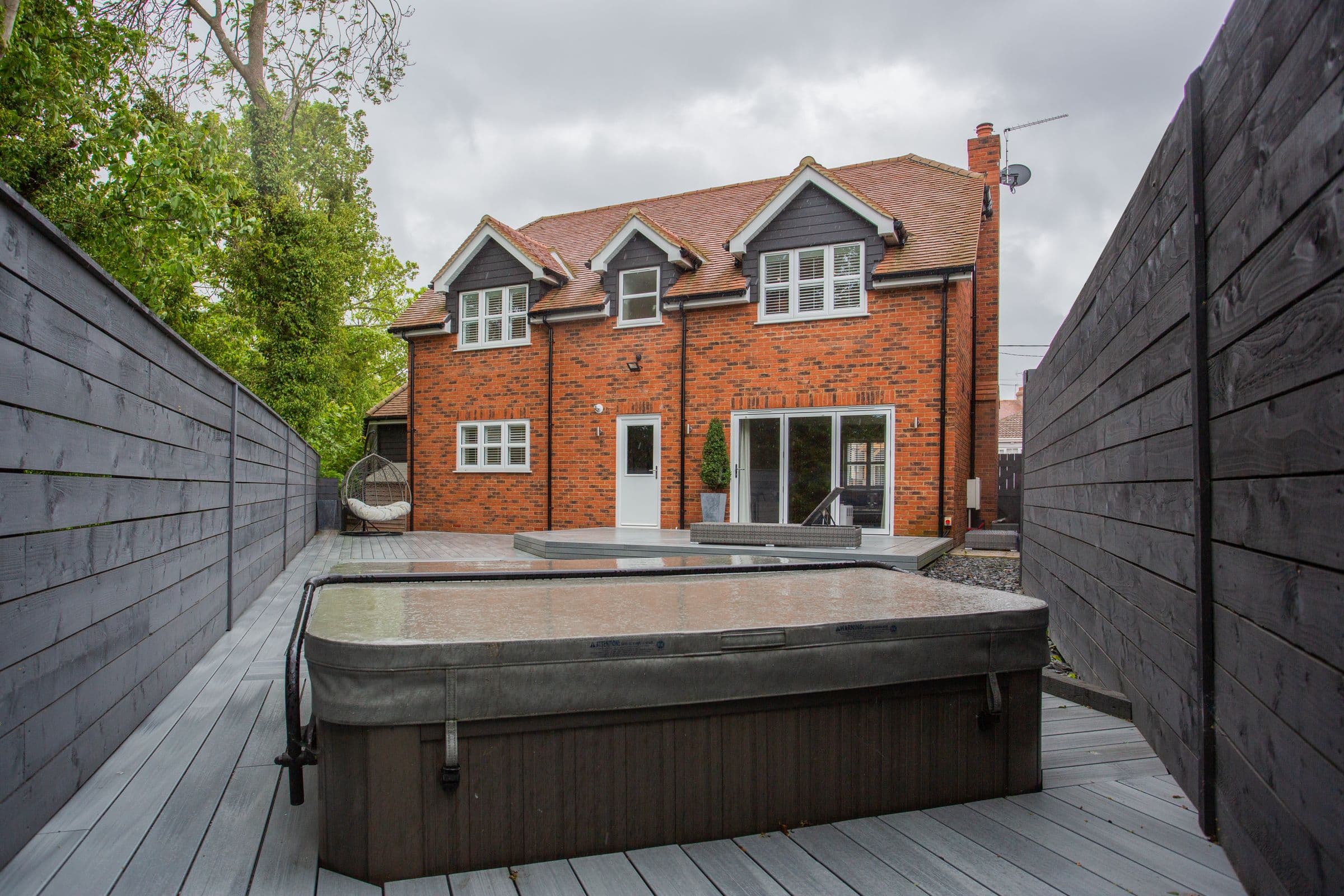
A hot tub needs a flat, level base that carries its full weight evenly, and a reinforced concrete pad on compacted gravel is the most common way to get one. The tub maker's installation guide sets the minimum, so read it before you choose the pad.
On this page
Can a hot tub sit directly on the ground?
No. A filled hot tub with people in it is heavy, and that weight has to be spread evenly across the whole bottom of the tub. Bare ground settles, holds water and goes soft through a wet Lower Mainland winter. Once one corner drops, the shell and frame start to twist.
Grass, topsoil and loose fill all come out first. What goes back is a compacted gravel base. On top of that you can leave the gravel, set manufactured spa pads, or pour a concrete slab. The tub maker's guide tells you which of those it accepts.
What is the best foundation for a hot tub?
A concrete pad is the most solid choice over the long run. It stays level, gives you a clean place to step in and out, and lets the electrical conduit be set in before the pour. A gravel pad with a solid edge costs less to build but can shift over time if the edge or base moves. Plastic spa pads that click together on gravel suit some smaller tubs.
A tub on a deck is a different job. The weight goes into the deck's beams, posts and footings, so the deck has to be designed to carry it. That is a structural question for the deck, and a pad doesn't solve it.
How thick does a concrete base need to be for a hot tub?
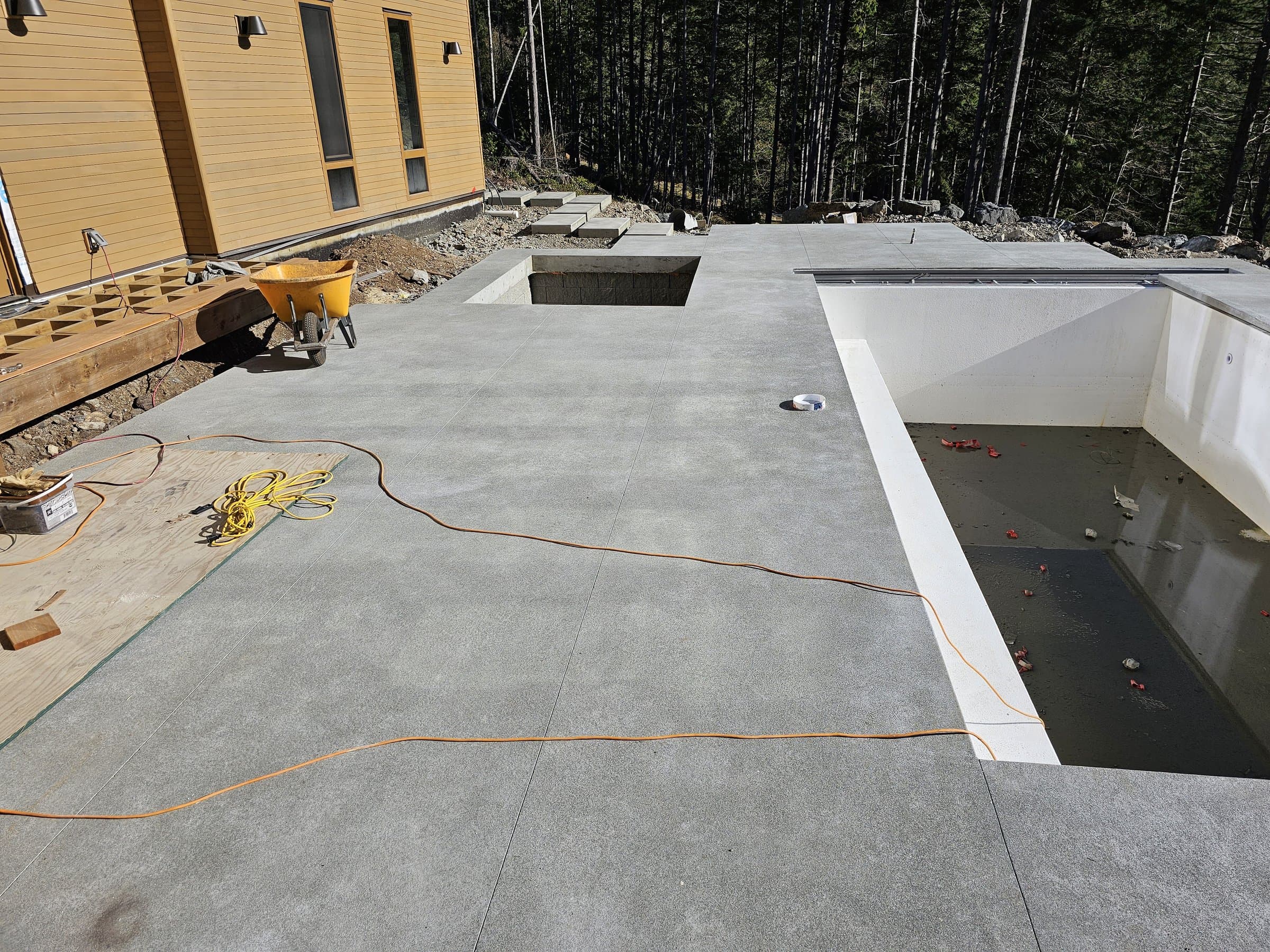
As general practice, 100 mm (4 in) is a common minimum for a small tub on a good base. Bigger tubs and swim spas usually call for a thicker slab and more steel. The real spec comes from the tub's weight, the soil under it and what the tub maker asks for.
If you already have a patio, its thickness is only part of the answer. A thin, cracked or unreinforced slab is a risk once a full tub sits on it. A sound, reinforced slab on a good base may carry it. Someone needs to look at the slab before you plan around it.
Do you need a permit for a hot tub or swim spa?
For the wiring, yes. Technical Safety BC says installing a hot tub needs an electrical permit in BC. That is why the conduit route is worked out before the concrete goes down. Running it after means cutting the slab or running it over the top.
For the tub itself, Maple Ridge's building bylaw needs a pool permit for hot tubs “except for self-contained hot tubs with a locking cover”. The same bylaw counts as a pool anything that holds water deeper than 0.45 m or with a surface area over 14 m², so a large swim spa should be checked with the City first. Other cities set their own rules, so check with yours.
Source: Technical Safety BC on hot tub permits; Maple Ridge Building Bylaw No. 8097-2026
What's the best thing to put under a hot tub?
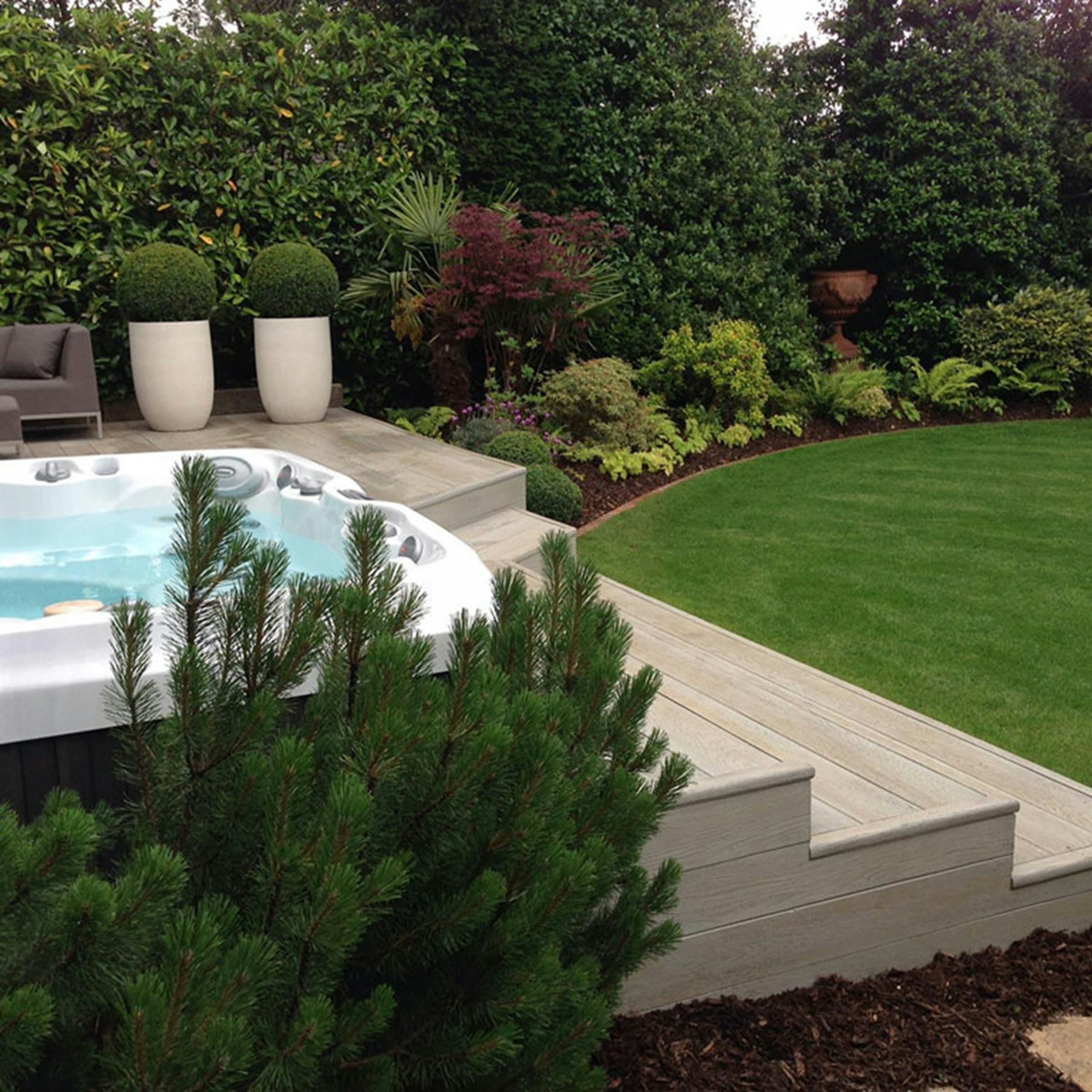
Something flat, level, fully supported and dry. The pad is poured level so the water line sits even, and the ground around it is shaped so rain and drained tub water run away from the pad and the house.
Make the pad at least as big as the tub, and bigger if you want room for steps, a cover lifter or to reach the access panel. The tub's spec sheet gives its footprint and the side the panel is on.
How long does a concrete pad need to cure before a hot tub?
Concrete keeps gaining strength for weeks after the pour. A common guide is that it reaches its design strength at around 28 days. How soon the tub can go on depends on the mix, the weather and what the tub maker says.
The usual mistake is booking delivery first and the pad second. Work back from delivery day: pick the spot, plan the wiring, pour, then let it cure. If you have a tub picked out, send a photo of the spot and the tub's spec sheet with the booking form on this site, and John will tell you what the pad needs.
The bottom line
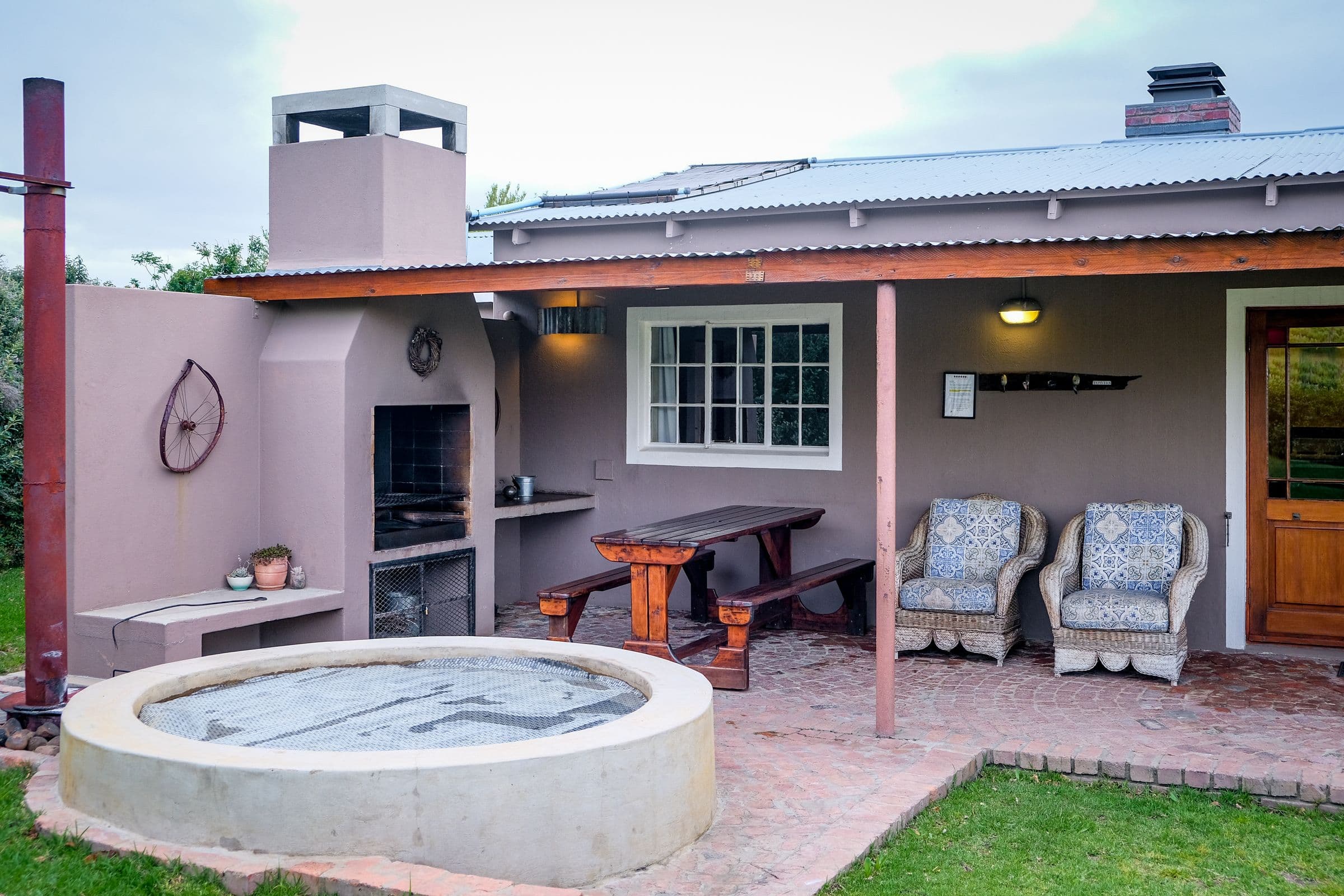
A hot tub needs a flat, level base that carries its full weight evenly, and a reinforced concrete pad on compacted gravel is the most common way to get one. The tub maker's installation guide sets the minimum, so read it before you choose the pad.
More questions
Why do you put a tennis ball in a hot tub?
The fuzz soaks up some of the oils from skin and lotion floating in the water. It's a home trick and doesn't replace the filter or water care.
How big of a concrete pad do I need for a hot tub?
At least the tub's footprint, plus room for steps and to reach the access panel. The tub's spec sheet gives the size to plan from.
How do I make a DIY concrete pad for my hot tub?
A small pad can be a DIY job, but forming it level, setting the steel and finishing it in one go is harder than it looks. Follow the tub maker's base requirements and get the electrical permit sorted before you pour.
Can a 4 inch concrete slab hold a hot tub?
Sometimes, if it's sound, reinforced and on a good base. A thin or cracked slab shouldn't carry a full tub, so have it checked first.
Rules differ by city. Check yours with the source links above, or ask us at the site visit.