Guides
Answers before you build
The questions people ask most about concrete work in the Lower Mainland, answered with the local rules and photos from real jobs.
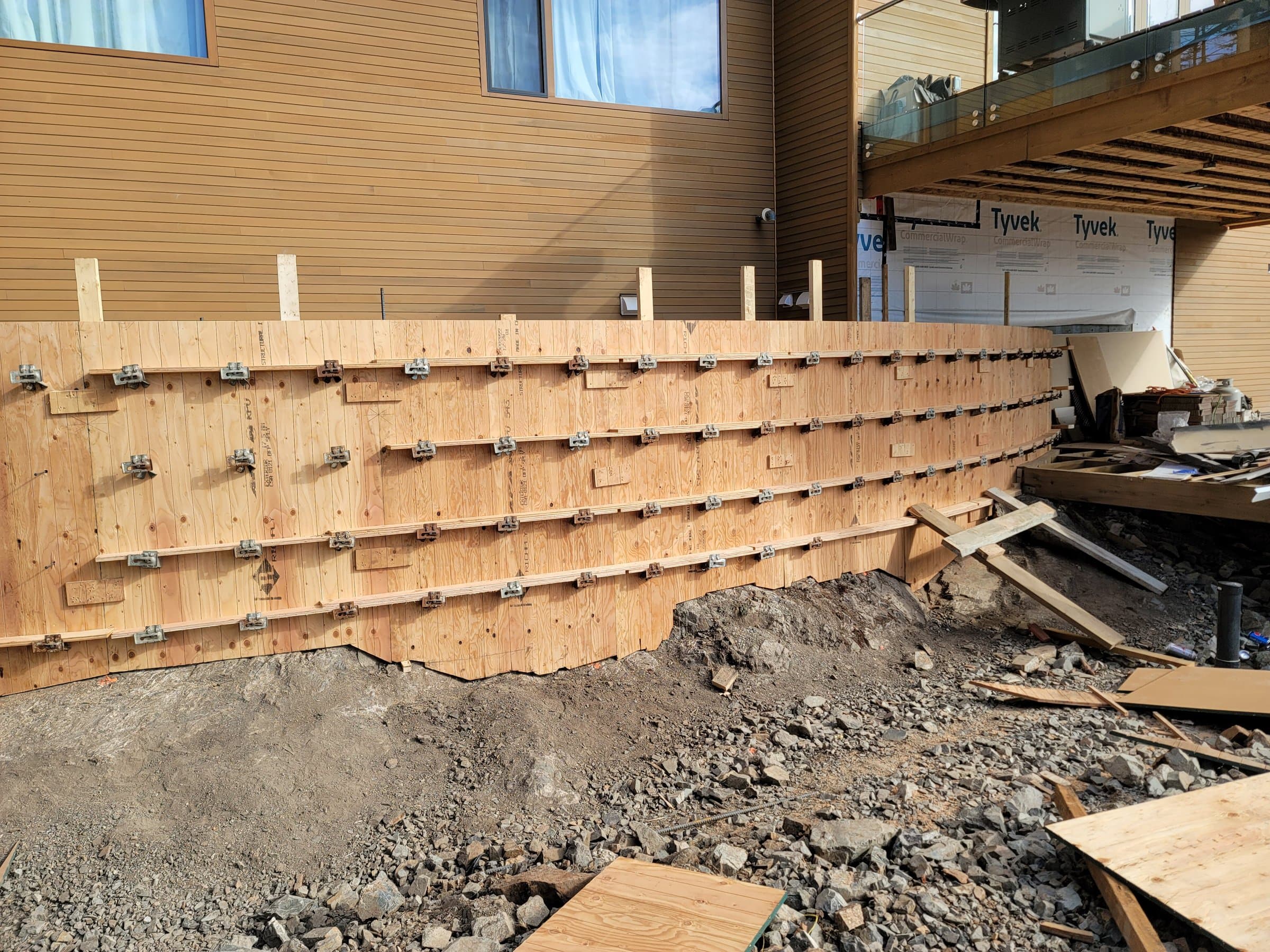
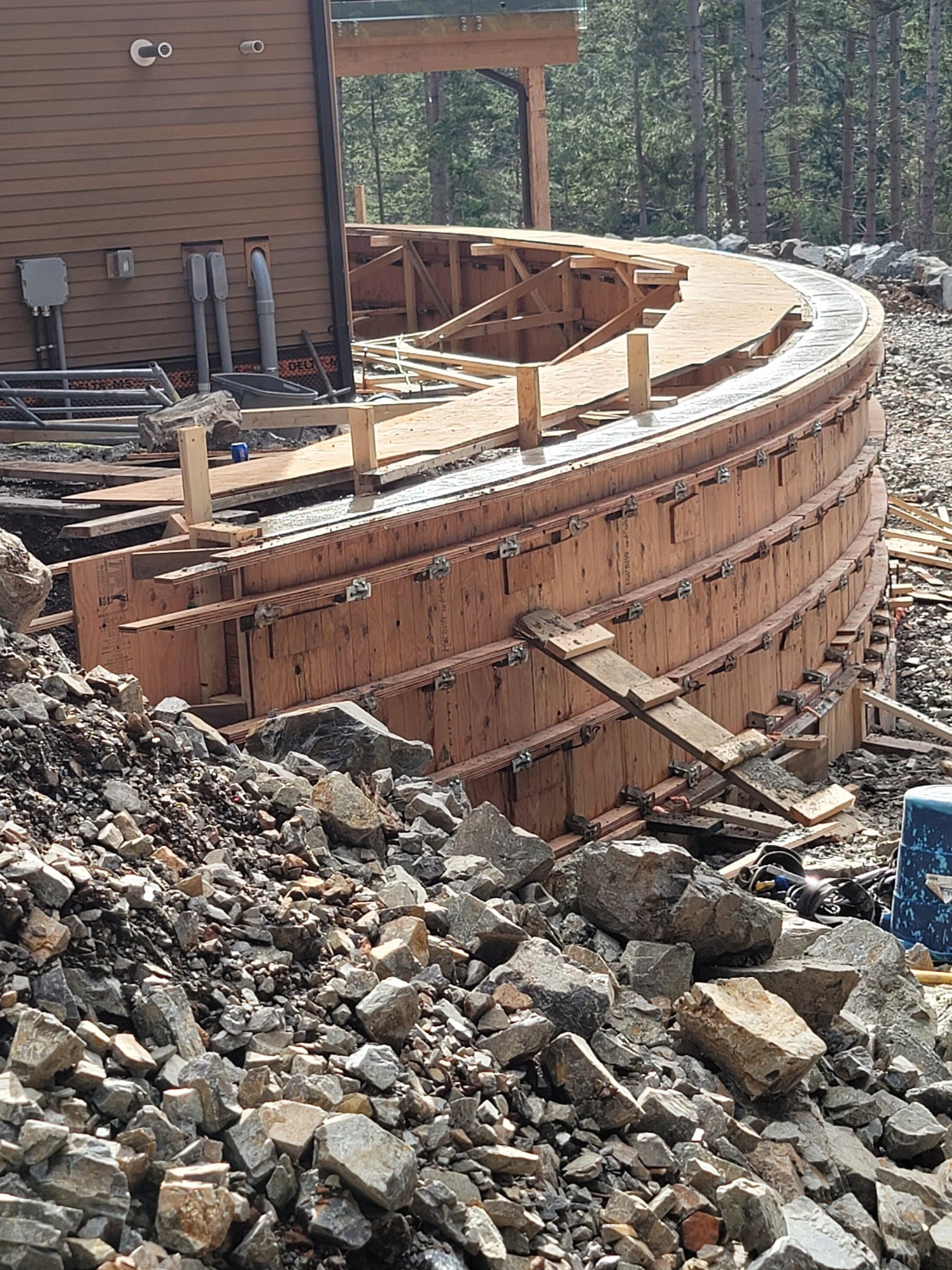
A curved retaining wall formed and ready to pour, Bowen Island.
Concrete Footings & Piers
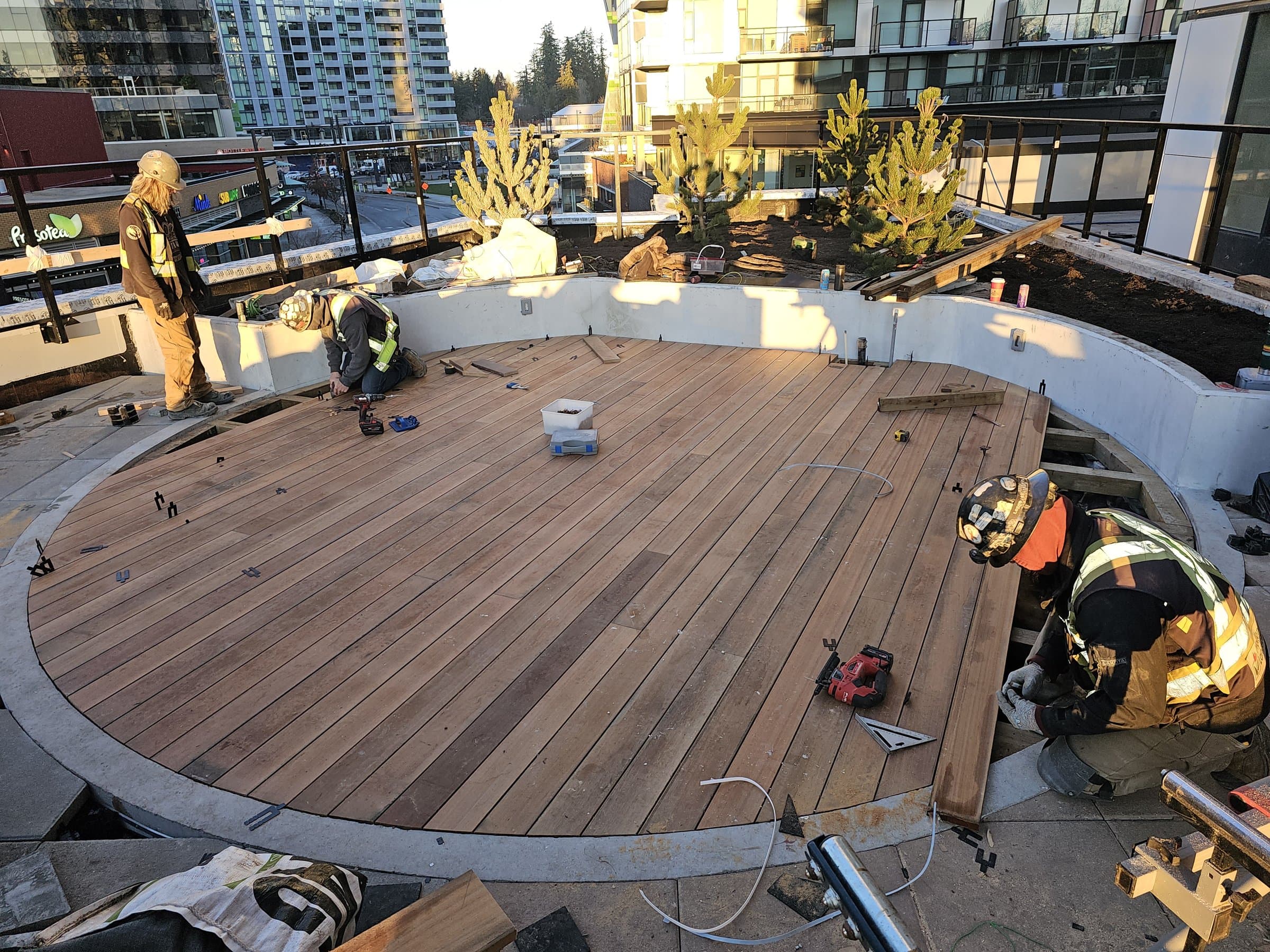
Deck footings in the Lower Mainland: what to know before you build
Most decks in the Lower Mainland stand on poured concrete footings or sonotube piers set below frost depth, one under each post. A small, low, freestanding deck with no roof can sit on surface footings, but a raised or attached deck needs proper footings and, in Maple Ridge, a forms inspection before the pour.
Concrete Slabs & Pads
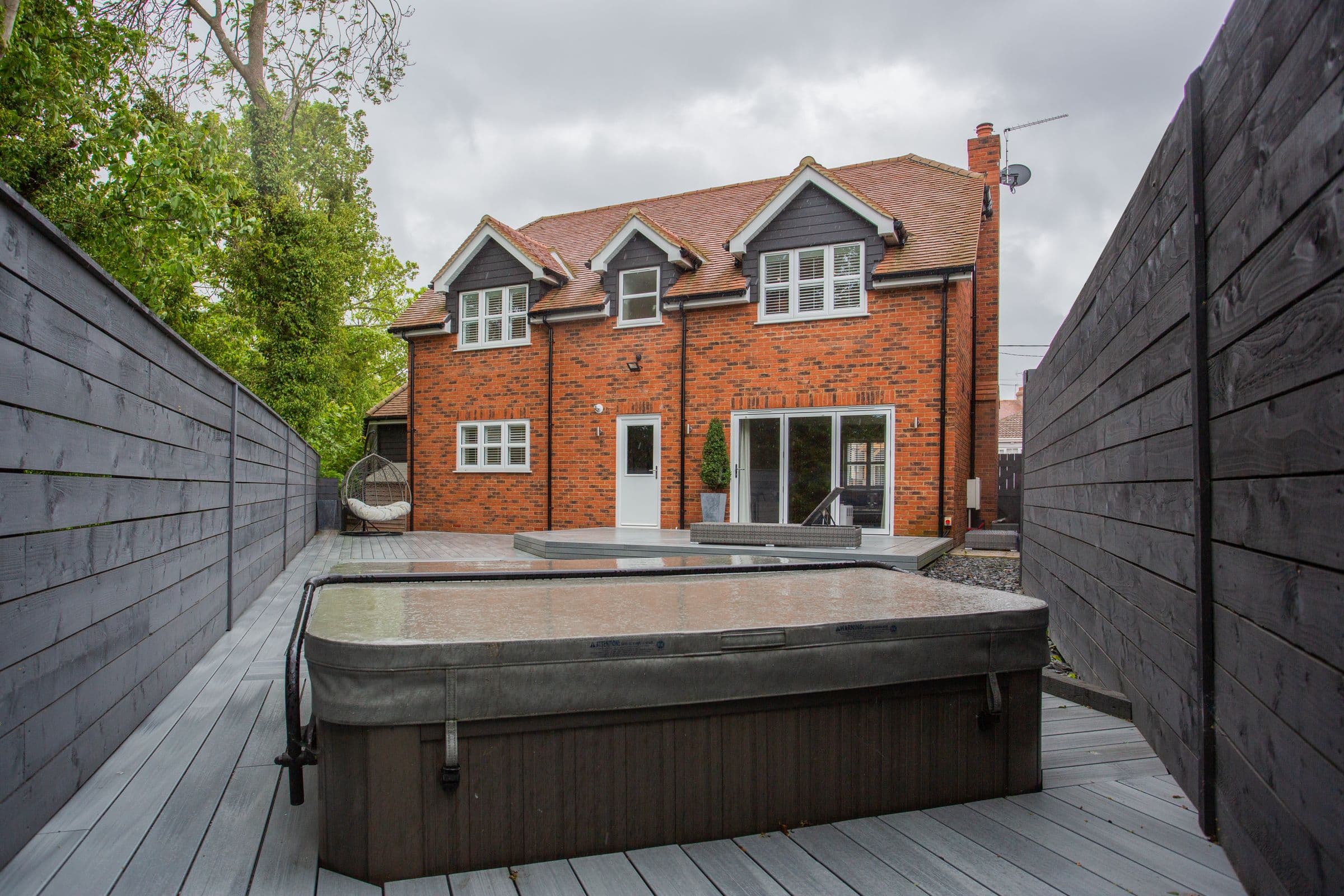
Hot tub pads in the Lower Mainland: what to know before you build
A hot tub needs a flat, level base that carries its full weight evenly, and a reinforced concrete pad on compacted gravel is the most common way to get one. The tub maker's installation guide sets the minimum, so read it before you choose the pad.
Concrete Slabs & Pads
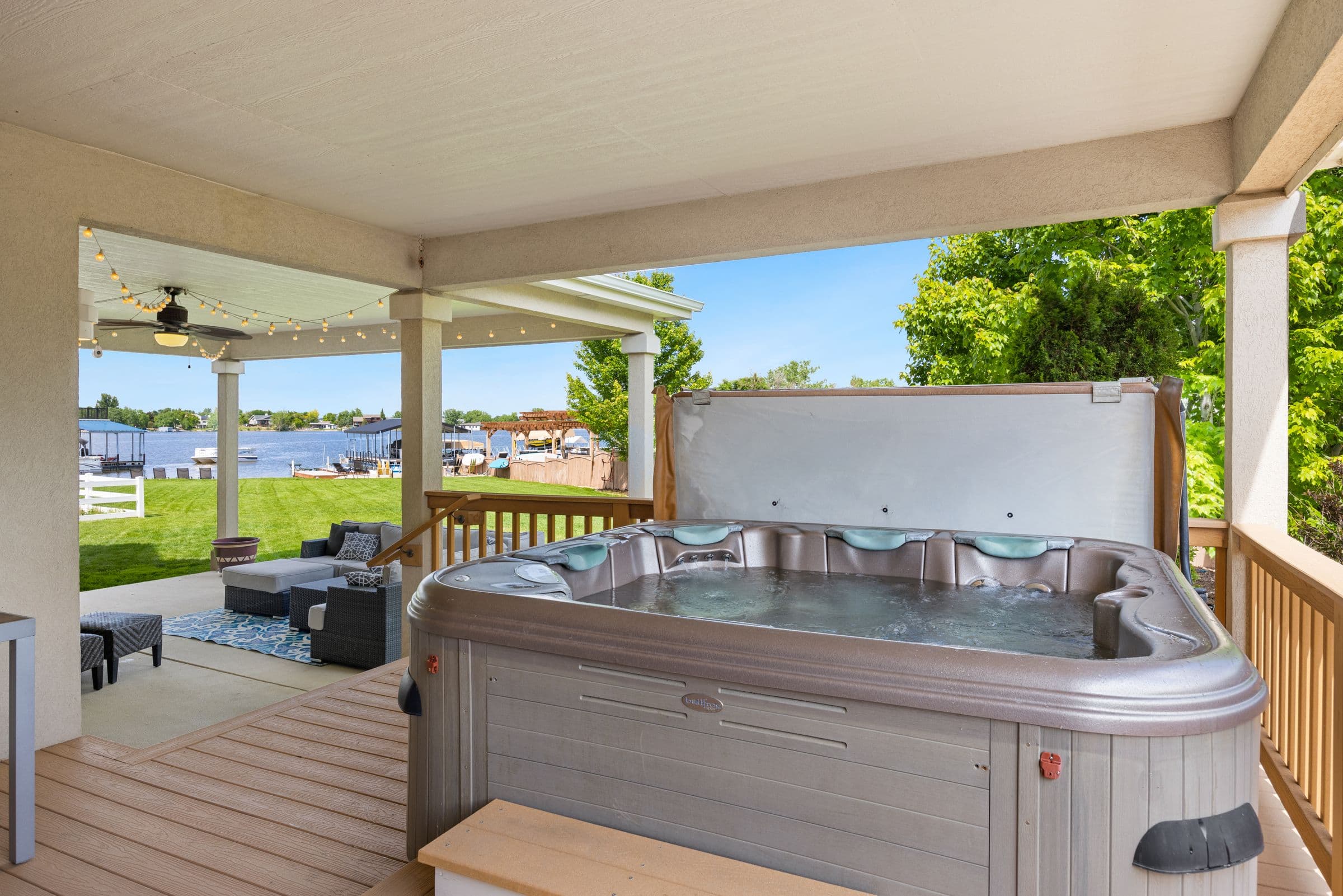
Can a 4-inch slab hold a hot tub? What a hot tub pad needs
A 4 inch (100 mm) slab can hold a small hot tub if it's sound, reinforced and sitting on a compacted base. A thin, cracked or unreinforced slab is a risk under a full tub, so check the slab and the tub maker's base requirements before you plan around it.
Retaining Walls
Retaining walls in the Lower Mainland: what to know before you build
A retaining wall that lasts needs three things: a solid footing, drainage behind it, and a design that suits its height and what it holds up. Before you build, check your city's permit line, because in Maple Ridge any wall over 0.6 m (2 ft) needs a building permit and over 1.0 m (3 ft 3 in) needs a structural engineer.
Retaining Walls
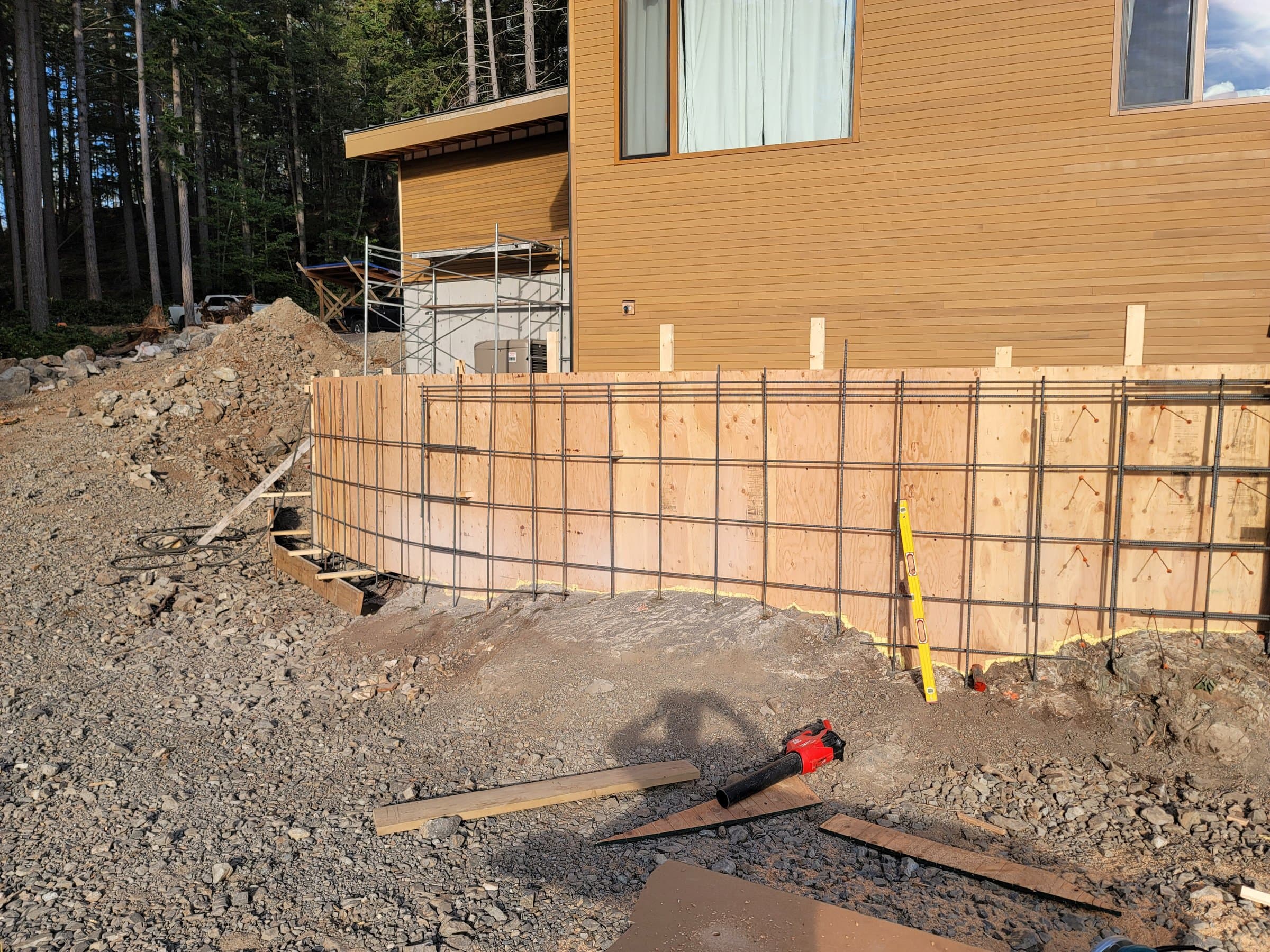
How high can a retaining wall be without a permit in Maple Ridge?
In Maple Ridge, a retaining wall can be up to 0.6 m (2 ft) high without a building permit. Over 0.6 m you need a permit, and over 1.0 m (3 ft 3 in) the wall must be designed by a structural engineer.
Retaining Walls
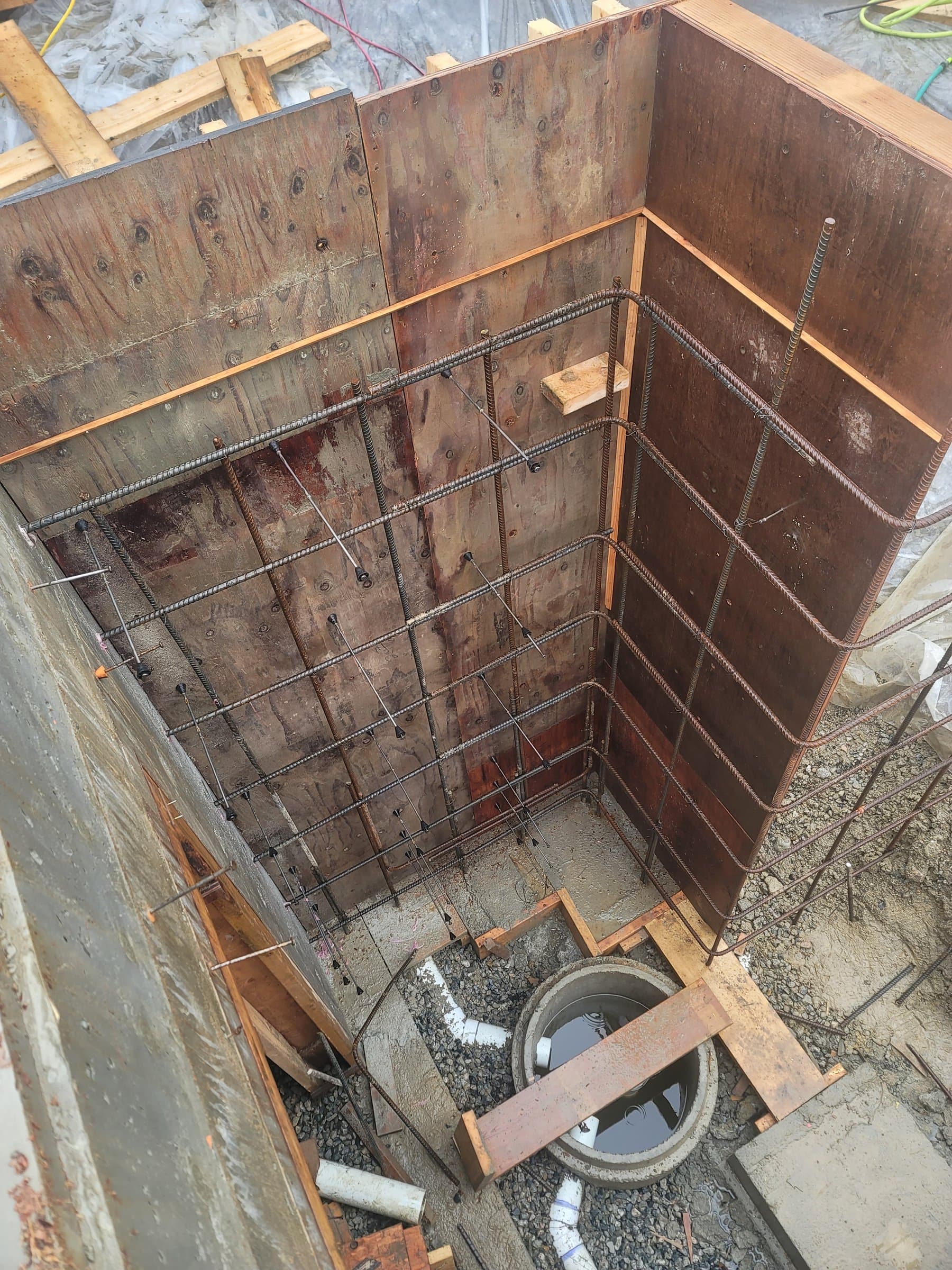
Window wells in the Lower Mainland: what to know before you build
A window well is a small retaining wall that keeps soil and water away from a basement window. It needs to sit below the window, drain at the bottom, and be fixed tight to the foundation so soil and water can't get in behind it.
Concrete Driveways & Walkways
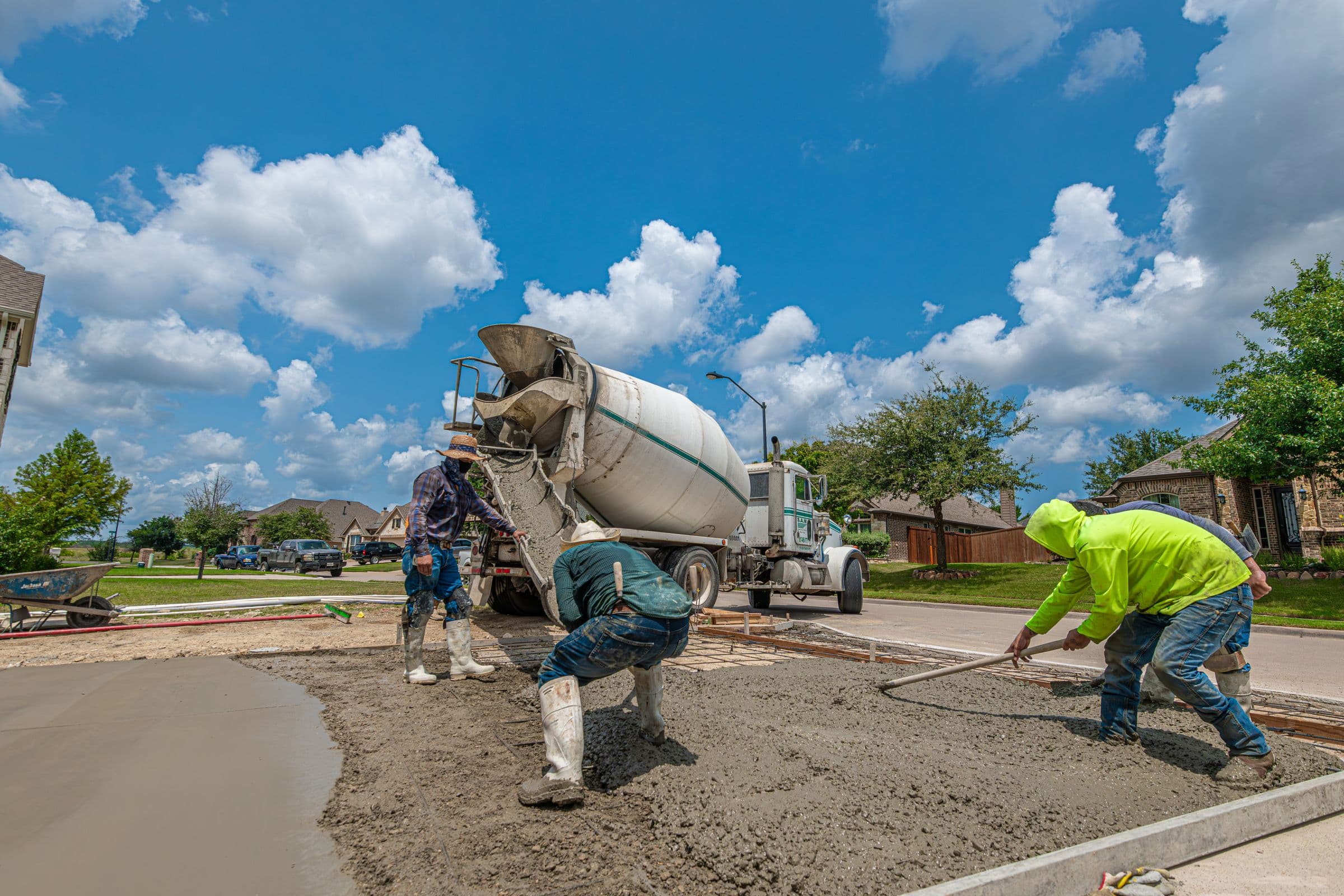
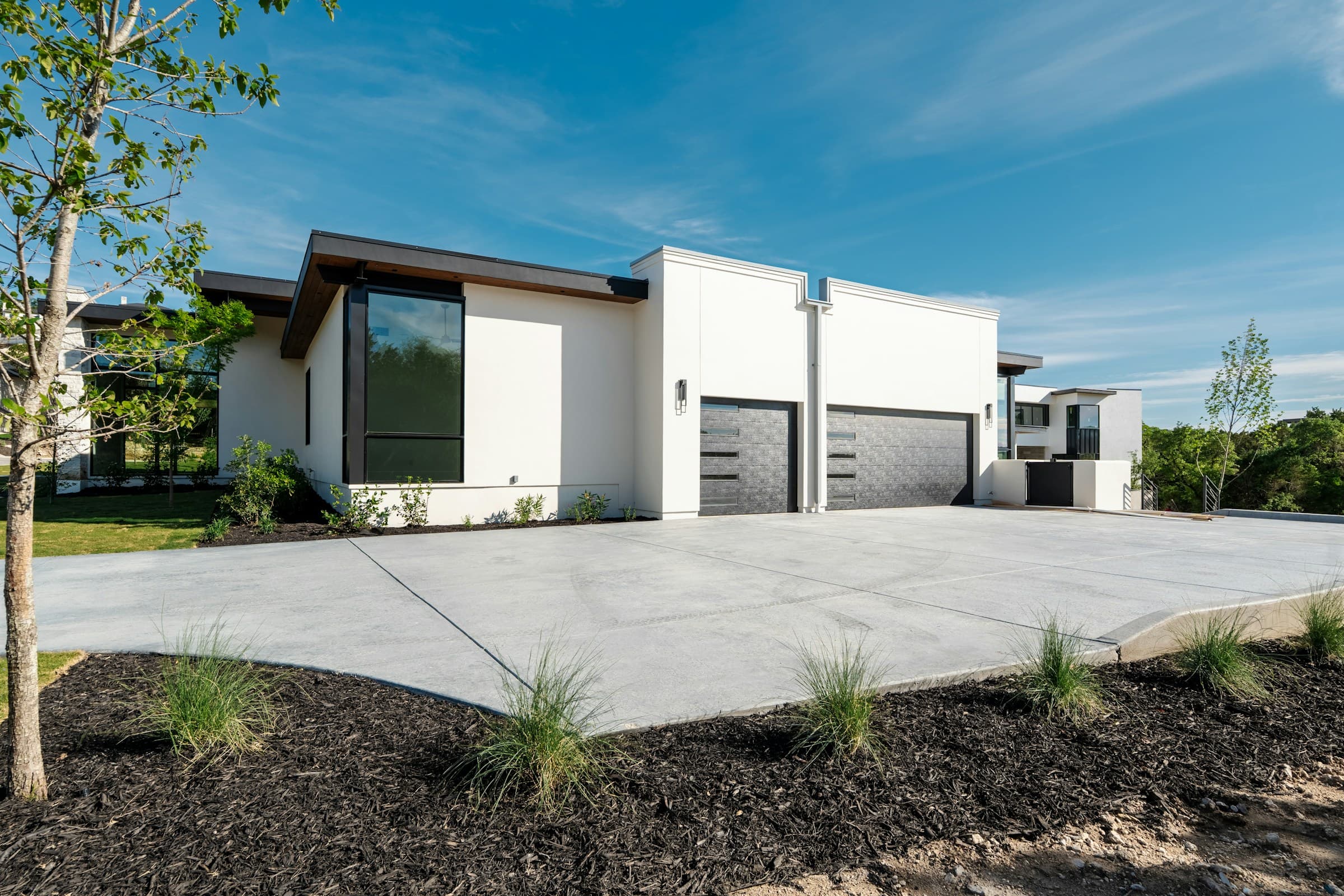
Gravel to concrete: what it would take to replace my gravel driveway with concrete (Lower Mainland)
Replacing a gravel driveway with concrete means checking what's under the gravel, grading and compacting a proper base, then forming, reinforcing and pouring a slab sloped to drain. In Maple Ridge, any work on the part between your property line and the road also needs an application to the City's Engineering department first.
Concrete Driveways & Walkways
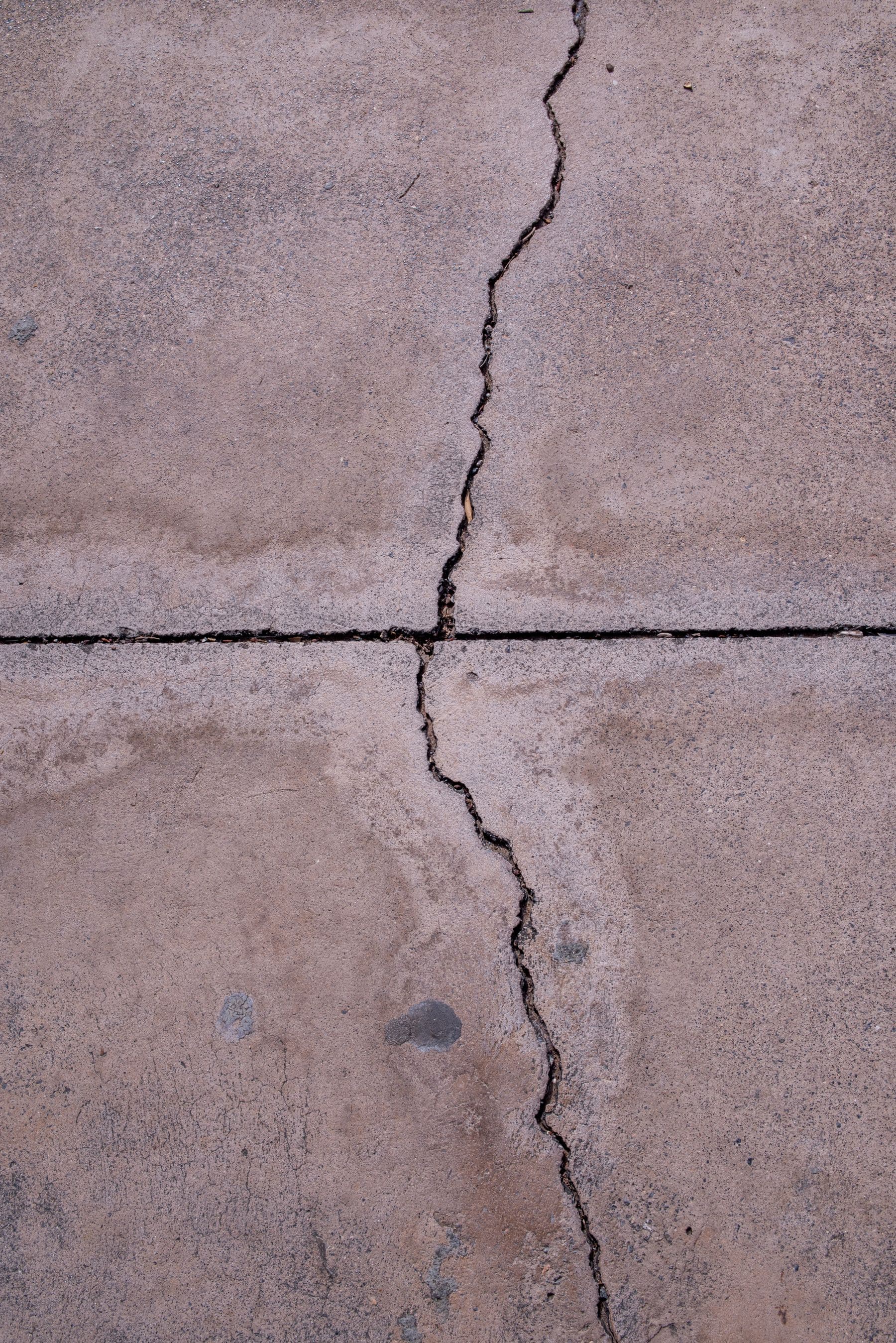
What are the downsides of having a concrete driveway?
A concrete driveway costs more to put in than asphalt or gravel, it will crack somewhere, and de-icing salt and oil can mark the surface. A good base, the right thickness, control joints and sealing handle most of these, which is why concrete usually outlasts the alternatives.
Concrete Driveways & Walkways
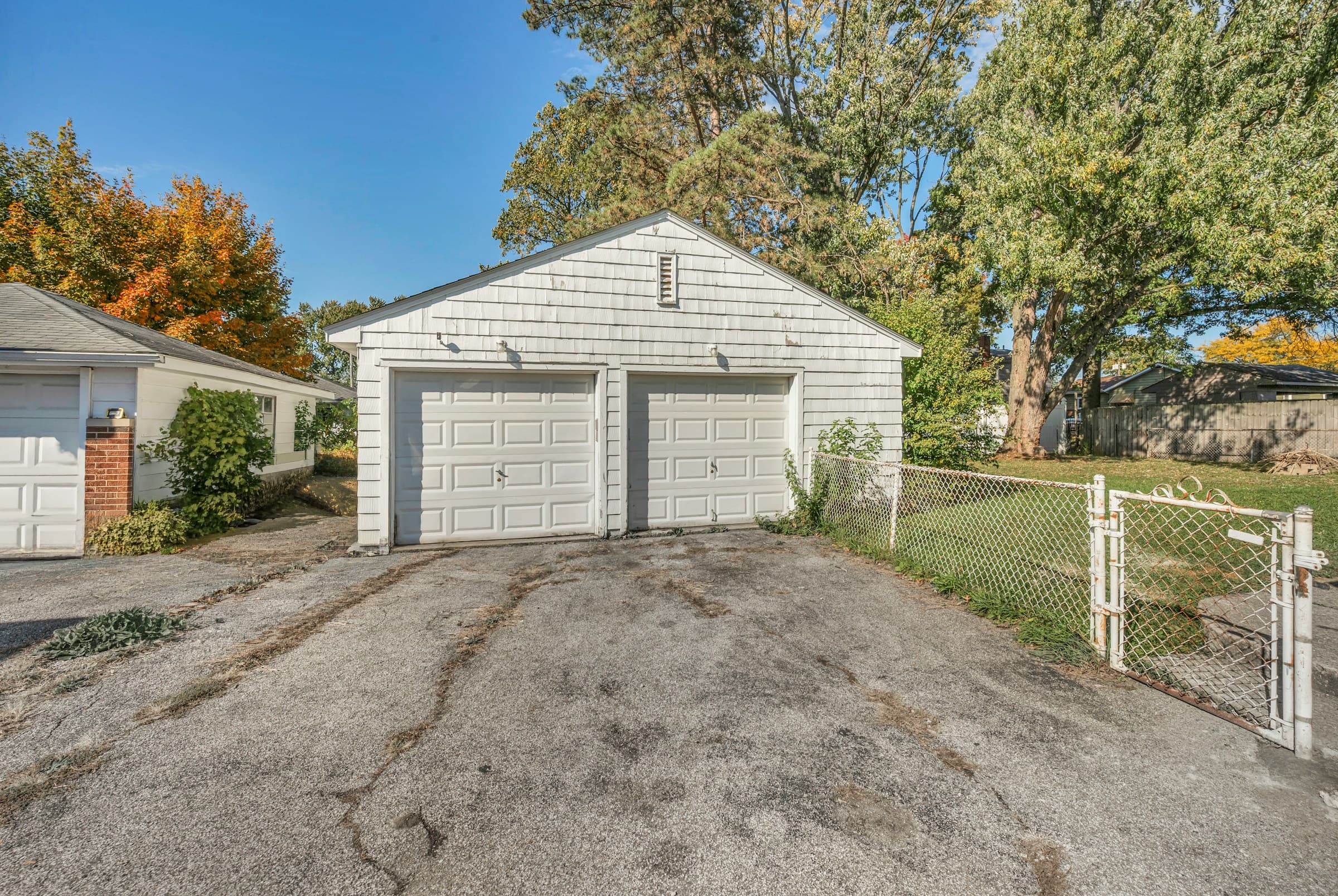
Cracked concrete driveway: repair, resurface or replace? (Lower Mainland)
Hairline cracks are normal and can be sealed, and a sound slab with a worn surface can be resurfaced. A driveway that has sunk, heaved or broken into pieces has a failed base, and replacing it is the only fix that lasts.
Concrete Driveways & Walkways
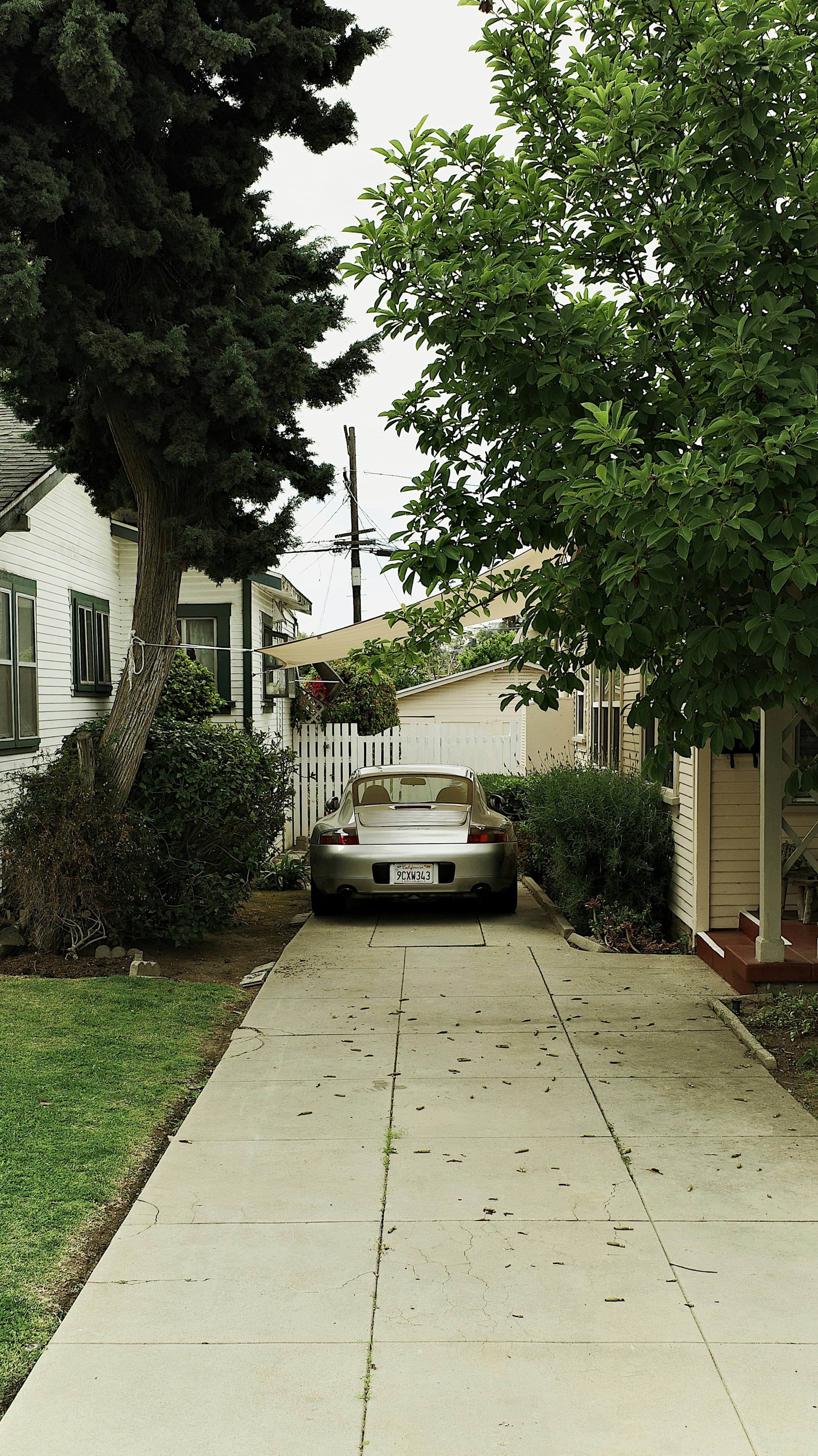
What is the cheapest way to fix a driveway?
The cheapest fix is to clean out the cracks and seal them, which keeps water and salt out and stops them growing. It only works on a driveway that's still level and solid; if the slab has sunk or broken up, the base has failed and cheap fixes won't hold.
Concrete Driveways & Walkways
Driveway aprons and crossings in the Lower Mainland: what to know before you build
The apron or crossing is the part of the driveway between your property line and the road, and in most Lower Mainland cities it sits on City land and needs the City's approval before work starts. In Maple Ridge that means an application accepted by Engineering, with the City sizing any culvert under it and the applicant paying.
Concrete Driveways & Walkways
What is the apron of a driveway?
The apron of a driveway is the section where it meets the street, running from the road edge to your property line. The same word is used for the strip in front of a garage door, where the driveway meets the garage slab.