The short answer
The apron of a driveway is the section where it meets the street, running from the road edge to your property line. The same word is used for the strip in front of a garage door, where the driveway meets the garage slab.
On this page
What is the apron of your driveway?
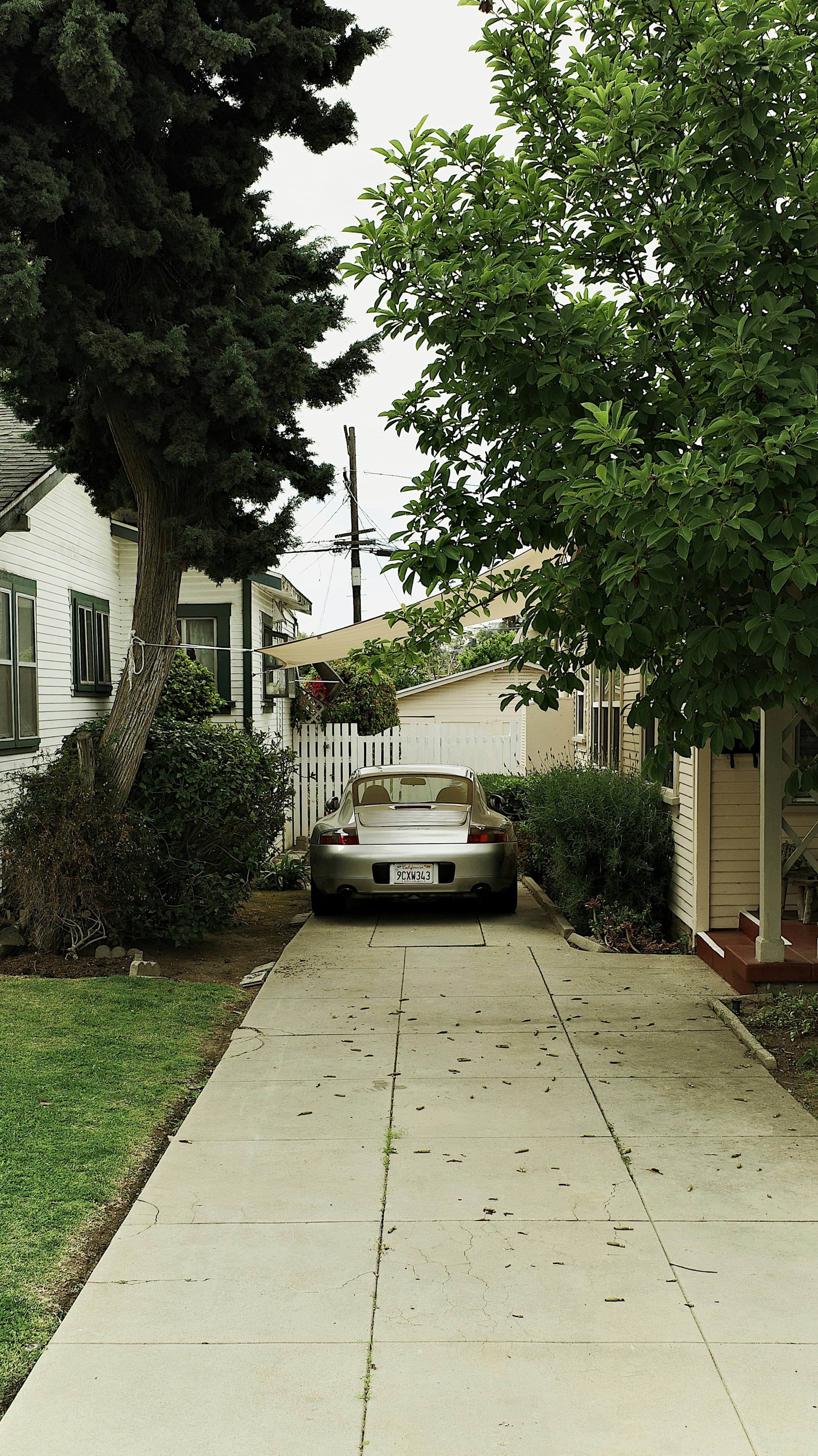
Picture your driveway in three parts. The garage end, the main driveway on your lot, and the street end. The street end, between the property line and the road, is the apron. It often slopes more than the rest, dips over a gutter, or crosses a ditch on a culvert.
It carries more weight than any other part of the driveway. Every car crosses it, and so do the trucks that back in to deliver or pick up.
What is a driveway apron called?
It goes by a few names. Apron, crossing, approach, driveway entrance, and let-down where the curb drops. City forms usually say driveway crossing, so that's the term to use when you call the City.
The word also turns up on commercial sites, where a concrete apron is the pad in front of a loading door or a shop bay. The idea is the same. It's a hard-wearing strip where vehicles turn, stop and start.

What does garage apron mean?
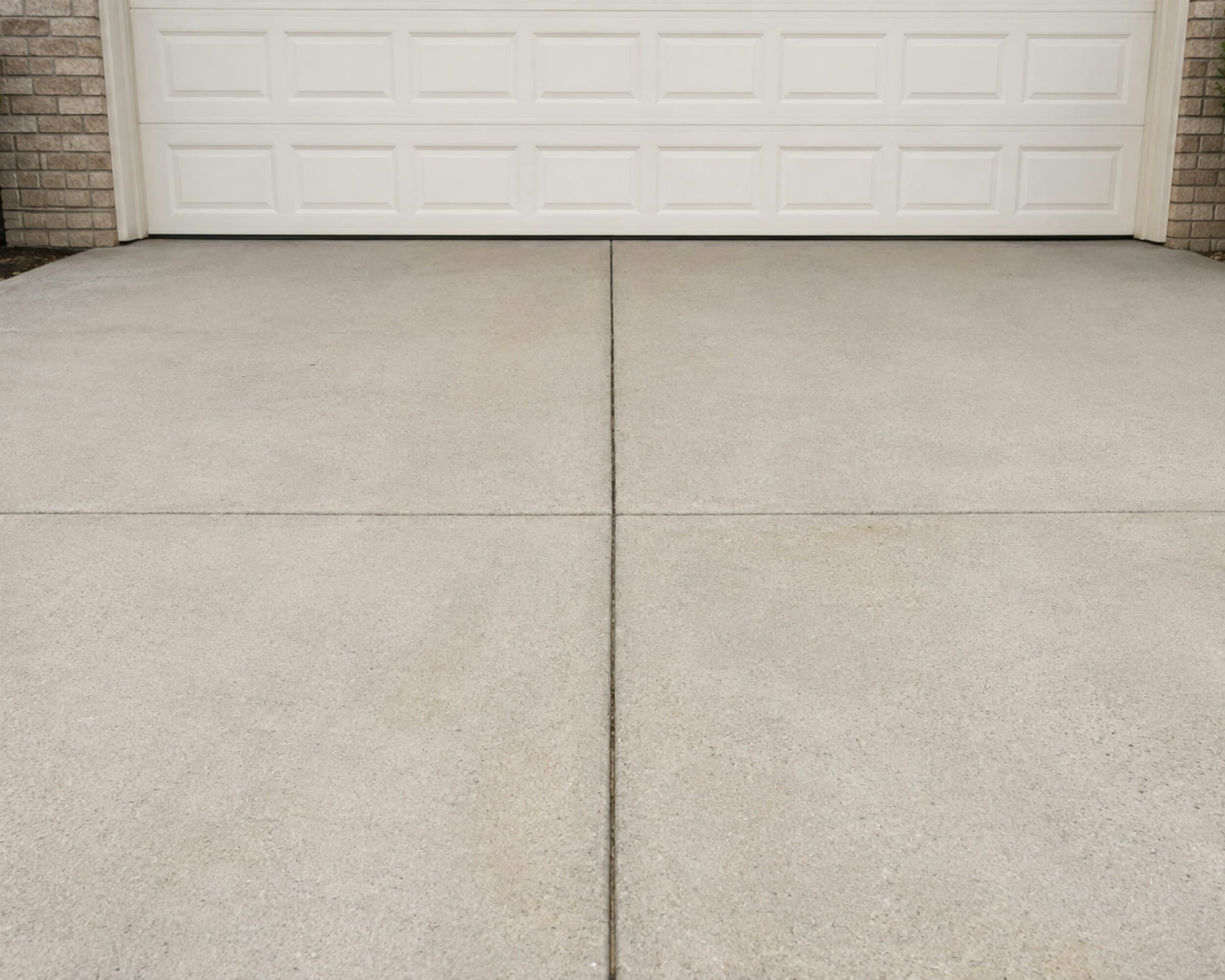
A garage apron is the strip of concrete right in front of the garage door. It joins the driveway to the garage floor and often has to step down slightly so rain doesn't run into the garage.
It's a common trouble spot. The ground beside a house foundation was backfilled when the house was built, and backfill settles. A garage apron that has sunk and tipped toward the door is a sign the base under it wasn't compacted well. Once it tips, rain runs toward the garage instead of away from it.
Who is responsible for the driveway apron?
The street apron usually sits on City land, but in Maple Ridge you apply for it and pay for the work. A new, widened or relocated crossing, or a ditch infill, needs an application to Engineering, accepted before work starts. Where a culvert is needed, the City works out its size and estimate, and the applicant pays.
Other cities differ, so check with yours before changing the apron. The garage apron is on your lot and is yours to look after.
Source: Maple Ridge Driveway Crossing, Culvert and Ditch Infill application

Does a driveway need an apron?
Any driveway that meets a street has one. The choice is what it's made of and how well it's built. A well-built apron holds a clean edge at the road and keeps water running to the gutter or ditch instead of onto your lot.
In Maple Ridge, the application also sets clearances. Driveways need 1.5 m from the property line, hydrants and poles, and 2.0 m from street trees.
Source: Maple Ridge Driveway Crossing, Culvert and Ditch Infill application
How deep should a driveway apron be?
General practice is to build the apron at least as thick as the driveway, and commonly 150 mm (6 in.) at the street because of truck traffic, on a compacted crushed-gravel base. On City land, the City's own standards set the thickness and slope.
If your apron is cracked, sunken or breaking up at the road edge, send a photo with the booking form. John will tell you what it needs and what the City side involves.
The bottom line
The apron of a driveway is the section where it meets the street, running from the road edge to your property line. The same word is used for the strip in front of a garage door, where the driveway meets the garage slab.
More questions
What is the best material for a driveway apron?
Concrete holds its edge longer where tires turn. Asphalt costs less and is quicker to lay. Check whether your city specifies one on its land.
Is a 15 degree driveway steep?
Yes, it's roughly a 27% grade, steep enough that cars can scrape at the change in slope. The City's standards set what's allowed at the street.
What is the average length of an apron?
The street apron runs from the road edge to your property line, so the boulevard width sets it. A garage apron is usually a short strip at the door.
What happens if you don't put gravel under concrete?
The slab sits on soil that holds water and moves with frost, so it settles and cracks. A compacted gravel base drains and spreads the load.
Rules differ by city. Check yours with the source links above, or ask us at the site visit.